
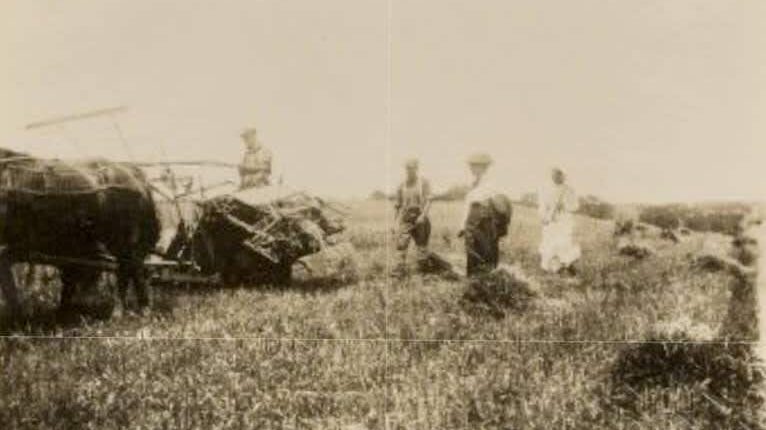
On the ancestral lands of the Manhansett People, Shelter Island’s Sylvester Manor was established in 1651 as a provisioning plantation for the Barbadian sugar trade. Originally owned by an Anglo Dutch sugar consortium and worked by enslaved Africans, indentured or paid Native American and European laborers, Sylvester Manor is now a 501(c)3 nonprofit organization.
When Shelter Island was established as a Provisioning Plantation by Nathaniel Sylvester, his brother Constant and their Barbados plantation partners Thomas Middleton and Thomas Rouse in 1651, Sylvester Manor became a place of Enslavement in the North. African men and women kidnapped from their homelands and transported across the Atlantic’s Middle Passage to Barbados were subjected to a second diaspora when they were brought to Shelter Island to provide the labor force for the new settlement. From 1651 through 1820, African people and their descendants were held in bondage at the Manor and were responsible for the cultivation of the land, building and maintaining of the property through five generations of the Sylvester family.
As an English family seeking religious freedom and business opportunities in The Netherlands, the Sylvester’s quickly made their mark as merchants in the global transatlantic market. Giles Sylvester and his sons, including Nathaniel, sailed their ships importing and exporting goods to Europe and the New World including the transportation of Africans sold into slavery in the Dutch colony in Brazil and the West Indies. With the purchase of plantations in Barbados and later the Provisioning Plantation on Shelter Island, the Sylvester family’s role in the Dutch and English Colonial Age continued to expand. Over twelve generations of Sylvester history and legacy has been preserved at Sylvester Manor.
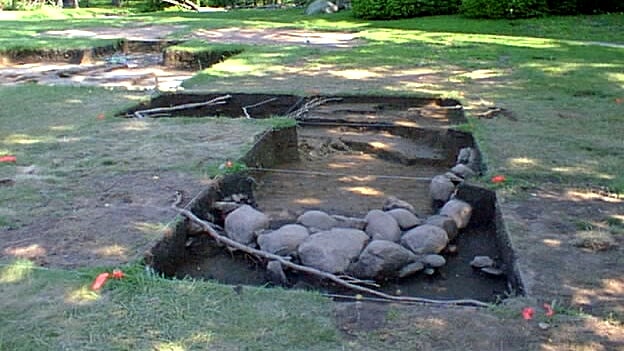
Beginning in 2021, Sylvester Manor began a three-year partnership project at the Burial Ground with members of the Shinnecock Tribal Nation Graves Protection Warrior Society, Honor Our Indigenous Ancestors, Inc., Unkechaug Nation and representative descendents of tribal people of Long Island.
Learn about where our team is headed next as we expand our own knowledge of the history of Sylvester Manor and share it with a world-wide audience.